
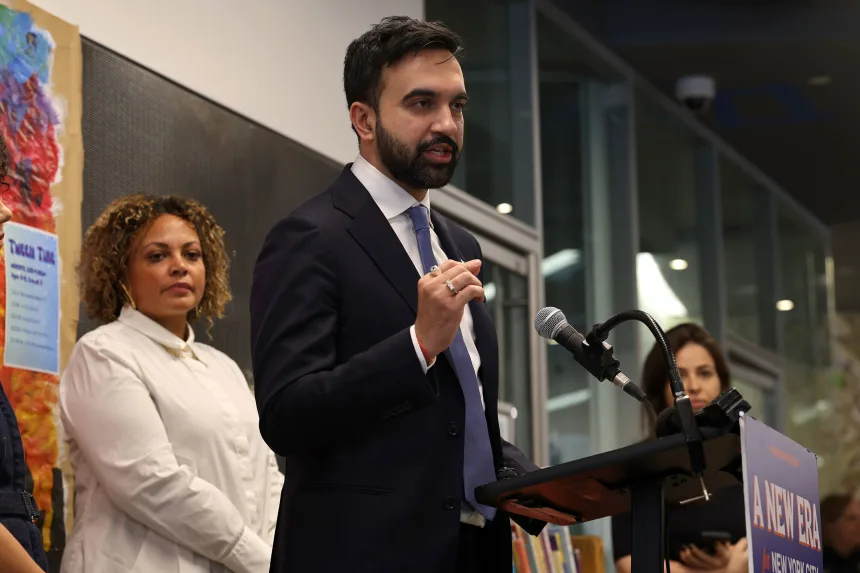
NEW YORK, Dec 31 – As New York City counts down to the New Year, Zohran Mamdani, 34, is set to make history as the city’s youngest mayor in a century when he takes the oath of office at midnight on New Year’s Day. In the lead-up to assuming office, Mamdani has been working to assemble a leadership team capable of navigating the city’s massive bureaucracy while advancing an ambitious agenda to address the affordability crisis. Several top positions have been announced, though key posts remain unfilled, leaving political observers closely watching the transition as it continues to unfold.
Transition Underway
In the weeks following his election, Mamdani has been actively engaged in shaping his administration. Known for his tenure as a state assemblyman, he has faced questions about his experience in managing one of the world’s largest municipal governments. His transition team has worked to balance these concerns with the need to create a diverse and capable leadership roster. Some appointments have been made, including leaders for the police, fire, and sanitation departments, as well as deputies focused on housing, planning, health, human services, and a newly created position for economic justice. The Office of Management and Budget also received a key appointment in preparation for the upcoming budget season.
Despite these moves, several important roles remain vacant, including the commissioner of the Department of Correction, the heads of the city’s immigrant affairs and children’s services offices, and a transportation commissioner who would play a central role in implementing new transit initiatives. While the pace of appointments has drawn scrutiny, members of Mamdani’s team emphasize that the process reflects careful consideration of competing priorities and political perspectives.
Transition insiders note that Mamdani has sought to broaden his coalition while managing internal pressures from staff with strong ideological views. Balancing these dynamics has slowed some decisions but has also allowed for thoughtful selection of officials who are seen as capable and pragmatic. Mamdani has expressed confidence in his choices, emphasizing the importance of building a team prepared to make decisions that directly impact New Yorkers’ daily lives, particularly regarding housing affordability.
A Large and Complex Bureaucracy
New York City’s government comprises more than 300,000 public employees across numerous agencies and boards responsible for essential services, from sanitation to public safety, healthcare, and business support. Managing this massive operation requires experienced leadership and coordination across multiple sectors. Mamdani’s transition team has drawn from a mix of campaign aides, veteran public officials, and external advisors to ensure that critical roles are filled with capable professionals.
The mayor-elect has remained actively engaged with the public throughout this period, attending rallies with independent senators, supporting labor strikes, and meeting with community groups to highlight policy priorities such as rent stabilization and universal childcare. He also traveled to the nation’s capital to discuss city priorities with federal officials, underscoring the importance of aligning municipal and national policy efforts.
The transition itself involves a substantial organizational effort, with more than 400 members divided into committees covering various policy areas. Meetings and interviews, often conducted virtually, have allowed for input on staffing decisions, though much of the process has been kept confidential. Non-disclosure agreements and structured vetting protocols have been employed to ensure careful consideration of potential hires. Following a recent controversy involving a short-lived appointment, the team has partnered with an external legal firm to strengthen the vetting process and prevent similar issues from arising.
Mamdani’s allies note that this transition has faced unique time pressures compared with previous administrations. The 2025 mayoral election remained uncertain until the final days, with competitive challenges extending into the general election. This compressed timeline required the team to expedite certain evaluations while ensuring that the appointments were thoughtful and aligned with the mayor-elect’s policy goals. Observers highlight Mamdani’s pragmatic approach, emphasizing the need for skilled public servants who can meet the demands of their positions rather than prioritizing ideological alignment alone.
As Mamdani prepares to take office, the city watches closely to see how his administration will tackle some of New York’s most pressing challenges. With several key positions still open, the coming weeks are likely to be decisive in shaping both the functionality of his government and public perception of his leadership. While the pace of appointments has drawn attention, the administration’s focus remains on building a capable, balanced team ready to govern a city of extraordinary scale and complexity.