
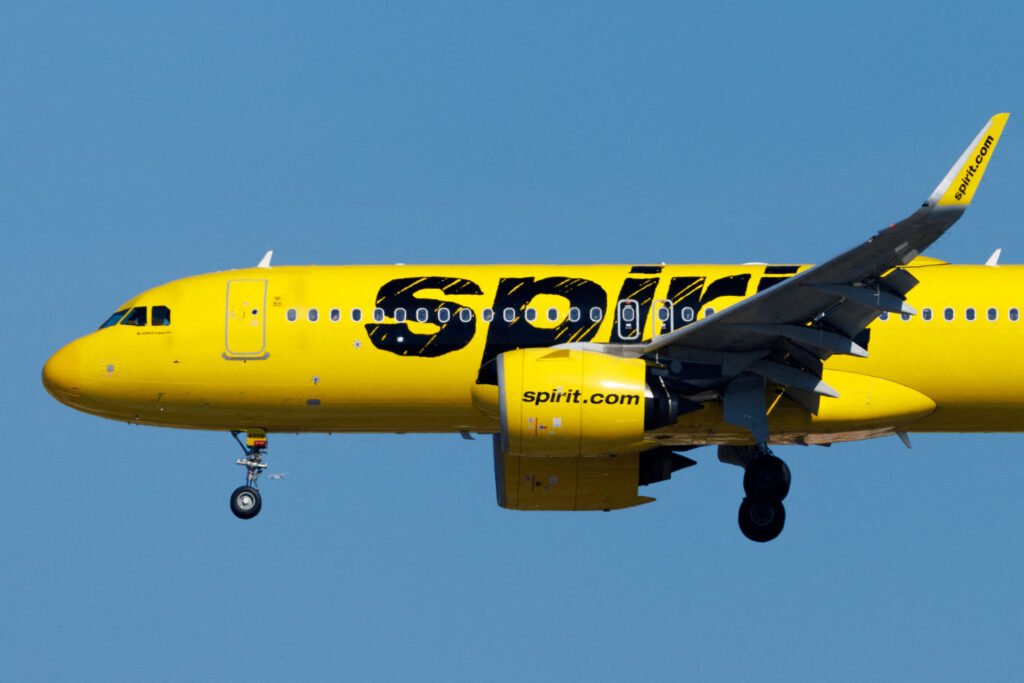
WEST PALM BEACH, Fla., May 2 – Spirit Airlines, once known for redefining budget air travel in the United States, announced it was shutting down operations permanently after more than 30 years in service. The airline confirmed it had begun an immediate and orderly wind down, canceling all remaining flights and suspending customer support as it faced mounting financial pressure it could no longer manage. The carrier, which built its identity on ultra low fares and a no frills travel model, said it had reached a point where continued operations were no longer viable. The sudden collapse left passengers stranded, employees without jobs, and the broader aviation sector preparing for significant disruption across key domestic routes.
Financial collapse driven by fuel costs and long term debt
Spirit Airlines attributed its shutdown primarily to sustained financial instability, with rising global oil prices playing a decisive role in its downfall. The airline had already been struggling for years following the pandemic era slowdown, which severely reduced passenger demand and increased operational losses. Industry observers note that the company had accumulated substantial debt while trying to maintain its low fare structure in an increasingly expensive aviation environment.
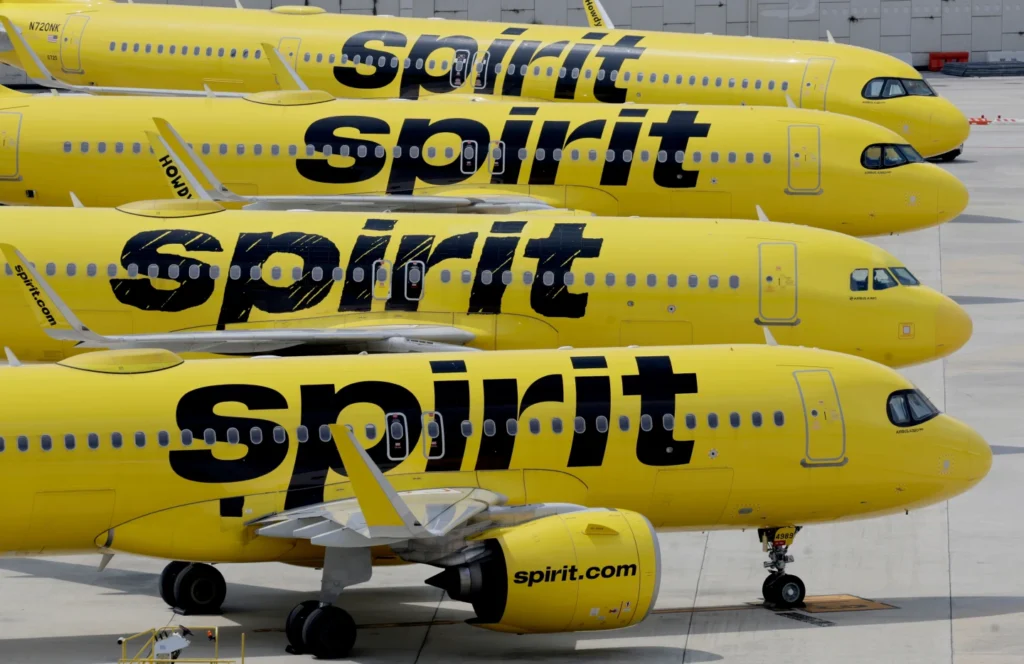
The situation worsened as jet fuel prices climbed sharply due to geopolitical tensions involving Iran, which pushed operating costs beyond what Spirit could absorb. Despite previous bankruptcy protection filings and restructuring attempts, the airline was unable to restore profitability. It had already reported billions in losses since 2020, and its financial statements showed a widening gap between assets and liabilities. Executives acknowledged that repeated efforts to stabilize the company had failed to counteract persistent cost pressures and declining margins.
Flights canceled as passengers and staff face sudden shutdown
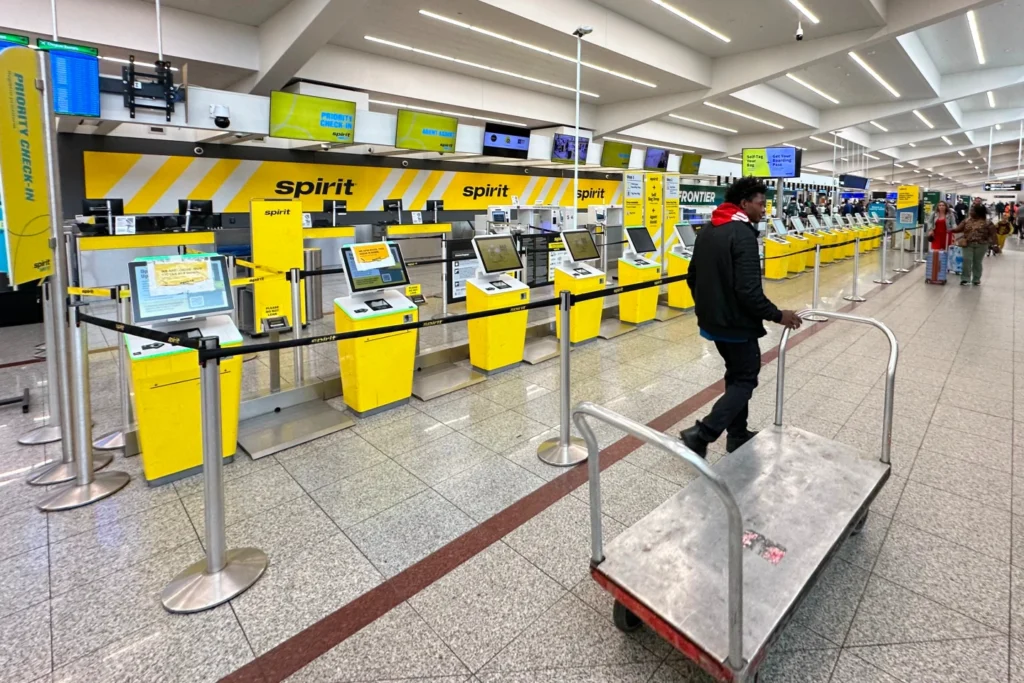
The shutdown announcement triggered immediate disruption across airports in the United States. All Spirit Airlines flights were canceled without prior notice, leaving many passengers unaware until they arrived at check in counters or saw their flights removed from departure boards. Some travelers described confusion and frustration after discovering that their bookings were no longer valid, with no immediate customer service channels available for assistance.
At major airports including Atlanta, Fort Lauderdale, and Detroit, passengers were seen attempting to confirm alternate travel arrangements after being informed of the shutdown. Several families on leisure trips were forced to abandon travel plans altogether, while others scrambled to find seats on competing airlines. Reports indicated that five Spirit flights initially appeared on time in certain systems before being abruptly removed from schedules.
Employees also faced immediate consequences. Flight attendants, pilots, and ground staff were informed that their positions were terminated as operations ceased. The airline, which once employed approximately 17,000 workers, began coordinating efforts to return crew members to their home bases where possible. A final Spirit flight reportedly landed at Dallas Fort Worth International Airport, marking the end of the airline’s operational history.
Refund plans and limited assistance programs for passengers
Following the shutdown, U.S. Transportation officials confirmed that passengers who purchased tickets directly through Spirit Airlines would be eligible for refunds through a reserve fund established by the company. However, travelers who booked through third party platforms such as travel agencies were advised to seek reimbursement directly from those providers, adding another layer of complexity for affected customers.
To ease the disruption, several major airlines including United Airlines, Delta Air Lines, JetBlue, and Southwest Airlines introduced limited time discounted fares for stranded Spirit passengers. Reports indicated that one way fares were being offered at reduced rates for those able to provide proof of canceled Spirit bookings. These measures were intended to help redistribute passenger demand and reduce congestion caused by the sudden capacity loss in the market.
Despite these efforts, Spirit Airlines stated it would not be responsible for rebooking passengers on alternative carriers. Refund processing timelines also remained uncertain, adding to frustration among travelers already impacted by sudden cancellations. Aviation authorities emphasized that while assistance programs were being coordinated, passengers should expect delays in financial reimbursements due to the scale of the shutdown.
Industry fallout, political debate, and failed bailout discussions
The collapse of Spirit Airlines quickly sparked debate across political and economic circles in the United States. The airline had previously entered bankruptcy protection twice and was widely viewed as a critical player in the low cost travel segment. Its exit from the market is expected to reduce competition on several domestic routes, potentially leading to higher fares for consumers, particularly in heavily serviced regions such as Florida, Nevada, and parts of the Northeast.
Government officials confirmed that discussions had taken place in recent months regarding a possible financial rescue package, but no agreement was reached. A bailout proposal reportedly failed amid concerns over cost and feasibility, with officials citing limited federal resources and disagreement over long term viability.
The situation also reignited political tensions, with different administrations and policy groups blaming one another for the airline’s downfall. Some officials pointed to regulatory decisions involving past merger restrictions, while others highlighted broader geopolitical factors, including foreign policy actions that contributed to rising fuel prices. Analysts from independent policy organizations argued that Spirit’s collapse was the result of multiple overlapping pressures rather than a single cause.
Labor unions representing airline employees expressed concern over job losses, estimating that thousands of workers could be affected directly or indirectly. Industry analysts noted that Spirit’s exit would likely reshape budget travel in the United States, where the airline had long been a dominant force in low fare competition.
As the aviation sector absorbs the impact of the shutdown, attention is turning toward how airlines will adjust capacity and pricing strategies in the absence of one of the country’s most recognizable ultra low cost carriers. The long term effects are expected to unfold across both consumer markets and employment sectors in the months ahead.