
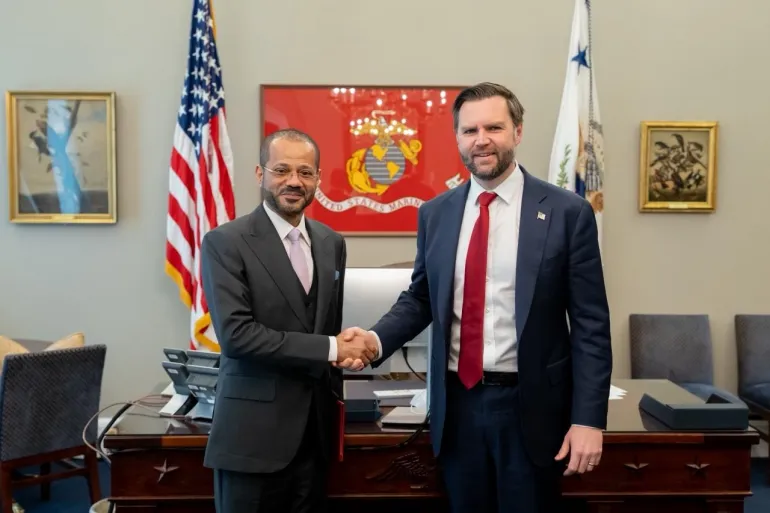
MUSCAT, Feb 27 – Diplomatic efforts aimed at easing tensions between the United States and Iran over Tehran’s nuclear program may be approaching a breakthrough, according to Oman’s foreign minister, who has played a central role in facilitating indirect negotiations between the two longtime adversaries. Speaking publicly about the talks, the Omani official suggested that while sensitive issues remain unresolved, the outlines of a potential agreement are becoming clearer at a moment when the risk of military escalation still looms.
Negotiations have unfolded against a backdrop of mounting pressure, with Washington weighing diplomatic options alongside the possibility of military action. The comments from Oman’s top diplomat underscore cautious optimism that diplomacy could still prevail, provided both sides are given sufficient time and political space to finalize the remaining details.
Diplomatic Progress and Proposed Nuclear Commitments
Omani Foreign Minister Badr Albusaidi said negotiators from the United States and Iran have made what he described as substantial headway toward an agreement designed to curb Iran’s nuclear activities. In an interview with CBS News, Albusaidi said he believes a peaceful resolution is now within reach, reflecting weeks of indirect talks mediated by Oman.
According to Albusaidi, Iran has given assurances that it will not pursue nuclear material capable of producing a weapon. He characterized this pledge as a significant achievement in the talks. Under the framework being discussed, Iran’s existing reserves of enriched uranium would be processed in a way that dramatically lowers their enrichment level. The material would then be converted into nuclear fuel, a step Albusaidi said would be irreversible and aimed at ensuring the stockpiles could not be repurposed for military use.
Verification remains a key pillar of the proposed arrangement. Albusaidi said Iran is prepared to grant inspectors from the United Nations’ nuclear watchdog, the International Atomic Energy Agency, full access to its nuclear facilities. Such access would allow inspectors to confirm compliance with the terms of the agreement. He described a system with no accumulation or stockpiling of enriched material and comprehensive oversight, adding that American inspectors could also be involved at later stages if a durable and equitable deal is achieved.
The comments were made during an appearance on the CBS public affairs program Face the Nation, in a conversation with moderator Margaret Brennan. Albusaidi said that while the trajectory of the talks is encouraging, additional time is needed to settle technical and political details. Technical discussions are scheduled to take place in Vienna, and Albusaidi expressed hope that he would meet soon afterward with U.S. negotiators, including Steve Witkoff and Jared Kushner.
U.S. Pressure, Iranian Red Lines, and Regional Stakes
Despite the cautious optimism from the Omani mediator, the tone from Washington has been less assured. Donald Trump said earlier the same day that he was dissatisfied with the pace of negotiations and had not ruled out authorizing military strikes if diplomacy fails. Speaking to reporters, Trump said he was unhappy that Iran had not yet agreed to what he described as necessary concessions, signaling frustration even as talks continue.
Later, during a public event in Texas, Trump reiterated a longstanding U.S. demand that Iran halt uranium enrichment entirely. He argued that Iran has no practical need to enrich uranium given its vast oil resources. The statement highlighted a core dispute in the negotiations, as Iran has consistently maintained that enrichment for peaceful purposes is a sovereign right.
That position was reinforced by Iranian Foreign Minister Abbas Araghchi, who said in a recent television interview that Iran is entitled under international law to pursue peaceful nuclear energy, including uranium enrichment. Iran previously accepted limits on enrichment under a 2015 agreement with the United States and other world powers, an accord from which Trump withdrew during his first term, arguing it lacked sufficient enforcement mechanisms.
Since that withdrawal, Iran has expanded its nuclear activities. In recent years, it has enriched uranium to levels as high as 60% purity, a technical threshold close to weapons grade. U.S. intelligence agencies assessed last year that Iran has not restarted a formal nuclear weapons program that was halted in 2003, an assessment consistent with Iran’s longstanding denials that it seeks nuclear arms.
Albusaidi said Iran is not currently enriching uranium, though a confidential report issued by the IAEA this week raised questions about unexplained activities at certain nuclear sites that were struck by the United States last June. Those findings, confirmed by officials familiar with the report, underscore the challenges facing inspectors and negotiators alike.
The diplomatic push has unfolded through three rounds of indirect talks over the past month, beginning in Oman and continuing in Geneva, Switzerland. The discussions have focused narrowly on the nuclear issue, excluding Iran’s ballistic missile program and its support for armed groups in the Middle East. Israeli Prime Minister Benjamin Netanyahu has argued that any agreement should address those issues as well. U.S. Secretary of State Marco Rubio echoed that concern recently, calling Iran’s refusal to discuss missiles a serious problem.
Albusaidi acknowledged those broader regional concerns but said resolving the nuclear file is the immediate priority. He added that, in his view, Iran is open to wider discussions once the nuclear issue is settled. He described both the American and Iranian delegations as serious about reaching an agreement and suggested a deal could be concluded soon, though implementing its terms might take several months.