
WASHINGTON/TEHRAN, March 19 – Tensions across the Middle East intensified sharply on Thursday as U.S. President Donald Trump publicly called on Israel to refrain from further attacks on Iranian energy infrastructure, warning that continued escalation could deepen an already volatile global energy crisis. His remarks came at a time when retaliatory strikes between Iran and Israel have begun targeting critical oil and gas facilities, pushing energy markets into turmoil and raising fears of a prolonged economic shock.
Speaking at the White House during a meeting with Japanese Prime Minister Sanae Takaichi, Trump said he had directly urged Israeli Prime Minister Benjamin Netanyahu not to repeat recent attacks on Iran’s natural gas sector. According to Trump, the message was clear and, he believes, understood. At the same time, he emphasized that the United States has no immediate plans to deploy additional ground troops to the region, despite internal discussions suggesting that option had been considered.
Energy Infrastructure Becomes the New Battleground
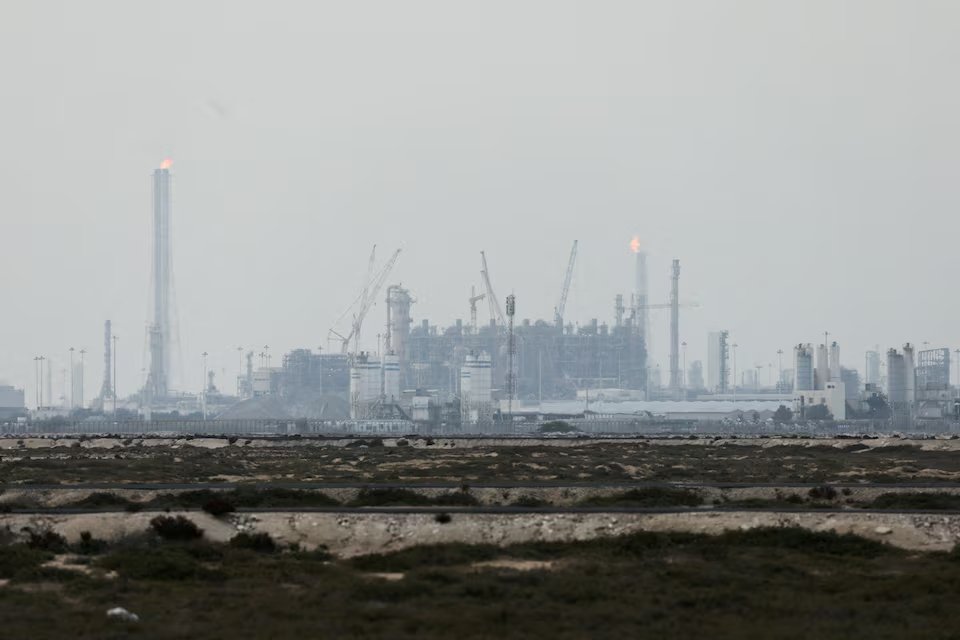
The latest phase of the conflict marks a dangerous shift, with energy facilities now emerging as primary targets. The situation escalated after Israel struck Iran’s massive South Pars gas field, one of the world’s largest sources of natural gas. In response, Iran launched retaliatory strikes on Qatar’s Ras Laffan Industrial City, a critical hub responsible for processing roughly one-fifth of global liquefied natural gas supplies.
Officials from QatarEnergy confirmed that the damage was extensive, knocking out nearly one-sixth of Qatar’s LNG export capacity. The financial impact is staggering, with losses estimated at around $20 billion annually. Even more concerning, executives indicated that full repairs could take anywhere from 3 to 5 years, signaling long-term disruption to global gas markets.
The ripple effects did not stop there. Energy infrastructure across the Gulf region has come under increasing pressure. Facilities in the United Arab Emirates were forced to shut down operations, while oil refineries in Kuwait reported fires following missile strikes. Meanwhile, Saudi Arabia’s Red Sea export routes, previously seen as a workaround to avoid the Strait of Hormuz, also came under attack, underscoring the expanding reach of the conflict.
Iranian military officials signaled that this escalation represents a deliberate strategic shift. A spokesperson for Iran’s armed forces warned that any further attacks on its energy assets would trigger broader retaliation targeting not only Israel but also U.S.-linked infrastructure across the region. The statement highlights how quickly the conflict is evolving into a wider confrontation with global implications.
Global Markets React as Allies Weigh Their Options
Financial markets responded immediately to the growing instability. Oil prices surged dramatically, with Brent crude jumping nearly 10% at one point before stabilizing slightly. Natural gas prices in Europe climbed more than 15% in a single day and have risen over 60 percent since the conflict began, reflecting mounting concerns over supply shortages.
Stock markets across major economies also felt the impact. Asian markets, including those in Japan and South Korea, recorded notable declines, while European indexes slipped to multi-month lows. In the United States, the Dow Jones Industrial Average fell as investors reacted to the prospect of sustained inflation driven by higher energy costs.
Central banks are now facing renewed pressure. Policymakers at both the European Central Bank and the Bank of England have signaled caution, choosing to hold interest rates steady for now. However, expectations are shifting, with investors increasingly pricing in the possibility of rate hikes later in the year if inflation continues to rise.
At the diplomatic level, key U.S. allies have taken a cautious stance. Countries including the United Kingdom, France, Germany, Italy, the Netherlands, and Japan issued a joint statement expressing readiness to help secure safe passage through the Strait of Hormuz, a vital route for global oil shipments. However, they stopped short of committing to immediate military involvement, reflecting broader hesitation about entering a conflict with unclear long-term objectives.
German Chancellor Friedrich Merz reiterated that any participation in securing the strait would likely come only after hostilities subside. This reluctance underscores divisions among Western allies over how to respond to the crisis and highlights concerns about being drawn into a prolonged regional war.
Within Washington, there are also signs of differing priorities. Defense Secretary Pete Hegseth maintained that U.S. military objectives remain consistent and focused, while Director of National Intelligence Tulsi Gabbard acknowledged that American and Israeli goals are not fully aligned. While Israel appears intent on targeting Iran’s leadership, the United States has emphasized limiting Iran’s missile capabilities and naval strength.
As the conflict enters its third week, the risk of a broader economic and geopolitical crisis continues to grow. With energy infrastructure under sustained threat and global markets already reacting sharply, the stakes extend far beyond the region. Trump’s call for restraint may signal an attempt to prevent further escalation, but whether that message holds amid ongoing hostilities remains uncertain.