
LONDON, March 1 – Global oil markets were jolted over the weekend as crude prices surged sharply following military strikes involving Iran, the United States, and Israel, triggering fears of a broader regional conflict and a major disruption to energy supplies. Brent crude, the international benchmark, climbed by around 10% in over-the-counter trading to roughly $80 a barrel, according to traders active in weekend markets. Analysts warned that if tensions escalate further, prices could climb rapidly toward the $100 a barrel mark, a level not seen for an extended period.
The latest surge builds on a rally that has been underway since the start of the year. Brent had already reached $73 a barrel by the end of last week, its highest level since last July, as investors increasingly priced in the risk of a confrontation in the Middle East. With futures markets closed over the weekend, over-the-counter trading offered an early signal of how sharply sentiment has shifted in response to the latest developments.
Middle East conflict raises fears of major supply shock
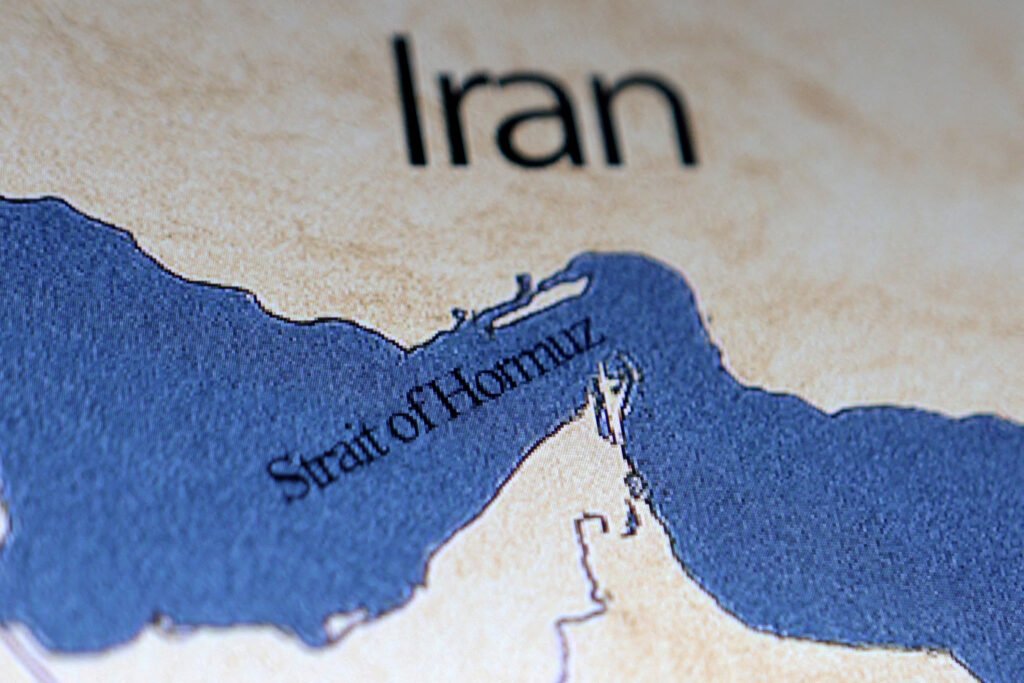
The core concern driving the price spike is not simply the military action itself, but the potential impact on oil flows from one of the most critical chokepoints in the global energy system, the Strait of Hormuz. More than one fifth of the world’s oil supply passes through this narrow waterway, making it central to the stability of global energy markets.
Energy analysts say that the risk of the strait being closed, even temporarily, has fundamentally altered market expectations. Ajay Parmar, director of energy and refining at ICIS, said that while military conflict often supports oil prices, the threat to shipping routes is what has truly unsettled traders. He noted that tanker owners, major oil companies, and trading houses have largely halted shipments of crude, refined fuels, and liquefied natural gas through the strait after warnings were issued to vessels transiting the area.
According to industry estimates, a prolonged closure could remove between 8 million and 10 million barrels per day from the global market, even after accounting for alternative export routes. Saudi Arabia’s East-West pipeline, which moves crude from the Gulf to the Red Sea, and Abu Dhabi’s pipeline system offer limited capacity to bypass the strait, but analysts caution these options would only offset a fraction of the lost supply.
Parmar said markets could reopen much closer to $100 a barrel once futures trading resumes, and potentially move beyond that level if shipping disruptions persist. His view reflects growing anxiety across the energy sector that even a short-lived outage would tighten an already sensitive supply-demand balance.
Other analysts broadly share this concern, though their price expectations vary. Helima Croft, an analyst at RBC, said regional leaders have warned Washington that a war involving Iran could push oil prices well beyond $100 a barrel. She emphasized that markets are particularly vulnerable because spare production capacity is limited and geopolitical risk premiums can rise rapidly during periods of uncertainty.
By contrast, analysts at Rabobank took a slightly more cautious stance. While acknowledging the seriousness of the situation, they suggested prices could stabilize above $90 a barrel in the near term rather than surge immediately to triple-digit levels. Even this more restrained outlook implies significantly higher energy costs for consumers and industries worldwide.
Adding another layer to the picture is the response from oil-producing nations. The OPEC+ group agreed to raise output by 206,000 barrels per day starting in April. The increase represents less than 0.2% of global demand and is widely seen as modest relative to the scale of potential supply disruptions. Market participants noted that such an increase would do little to offset the loss of millions of barrels per day if shipping through the Strait of Hormuz is curtailed.
Sources familiar with regional export flows said Saudi Arabia and the United Arab Emirates have already increased shipments in recent days, signaling an effort to calm markets. However, analysts caution that these moves may have limited impact if conflict intensifies or spreads to critical infrastructure.
According to Jorge Leon, an economist at Rystad, the net effect of a strait closure would still be severe. He estimated that prices could rise by around $20 a barrel when full trading resumes, pushing Brent to approximately $92 a barrel even before accounting for further escalation risks. Leon added that the psychological impact on markets could amplify price moves beyond what fundamentals alone would suggest.
The crisis has also prompted governments and refiners, particularly in Asia, to reassess their energy security strategies. Several countries are reportedly reviewing strategic stockpiles and exploring alternative shipping routes and supply sources. Analysts at Kpler, speaking during a market briefing, suggested that India may increase purchases of Russian oil to compensate for potential losses from the Middle East, highlighting how geopolitical shocks can quickly reshape global trade flows.
Beyond immediate price movements, the situation underscores the fragile balance underpinning the global oil market. Years of underinvestment in new production, combined with ongoing geopolitical tensions, have left markets highly sensitive to disruptions. Even rumors of supply threats can trigger sharp price swings, while actual outages carry the risk of sustained volatility.
For consumers and policymakers alike, the renewed surge in oil prices raises difficult questions. Higher energy costs can fuel inflation, complicate monetary policy decisions, and strain household budgets. Governments may face pressure to release strategic reserves or introduce measures to shield consumers from rising fuel prices, while central banks must weigh the inflationary impact against broader economic conditions.