
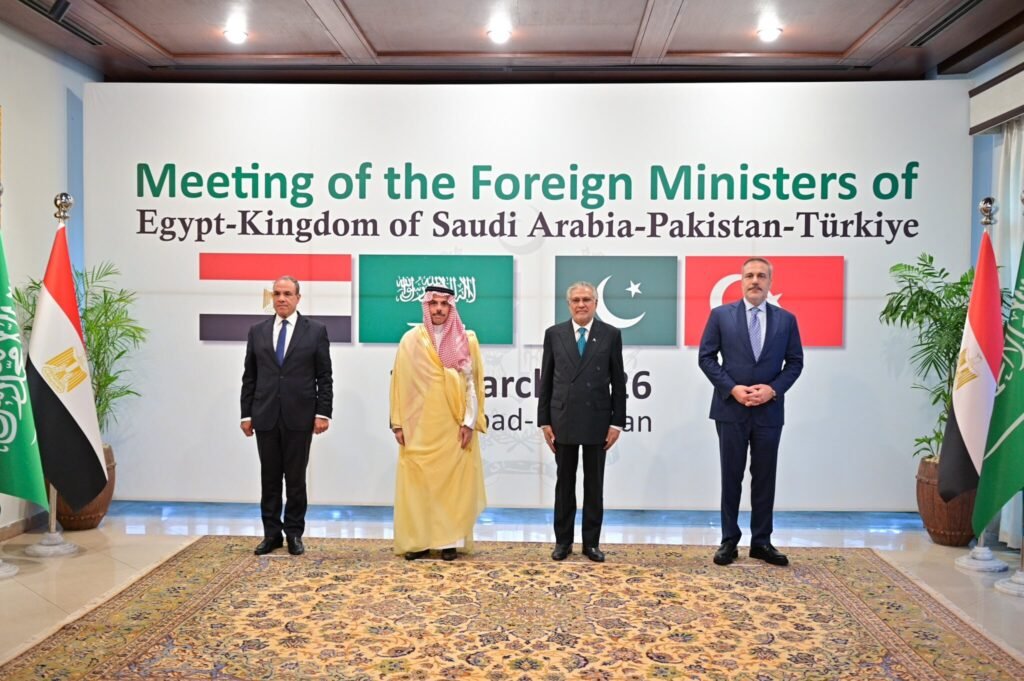
ISLAMABAD, Pakistan – The conflict stretching across the Middle East entered a dangerous new phase as Iran delivered a sharp warning to the US against any potential ground invasion, while regional powers gathered in Islamabad in a last-ditch diplomatic effort to de-escalate tensions. Despite ongoing talks, the situation on the ground continues to deteriorate, with sustained missile exchanges, rising casualties, and widening regional involvement signaling no immediate path to peace.
Iran’s Warning Signals Rising Stakes
Iran’s parliamentary speaker, Mohammad Bagher Qalibaf, issued one of the strongest warnings yet, cautioning that any deployment of U.S. ground forces would trigger severe retaliation. Speaking through Iranian state media, he declared that American troops entering Iranian territory would face devastating consequences, emphasizing Tehran’s readiness to confront both U.S. forces and its regional allies.
Qalibaf also dismissed ongoing diplomatic discussions as a distraction, suggesting they mask Washington’s military buildup in the region. His remarks come amid reports that the US has increased troop deployments, including Marines and paratroopers, raising fears that the conflict could expand beyond aerial and naval operations.
At the same time, U.S. Secretary of State Marco Rubio stated in a recent briefing that Washington believes it can achieve its strategic goals without committing ground troops. However, growing domestic pressure within the United States, including concerns raised by lawmakers from both parties, reflects unease about the risks of deeper military involvement.
Diplomatic Push in Islamabad Faces Challenges
In Islamabad, senior diplomats from Saudi Arabia, Turkey, and Egypt convened to explore avenues for de-escalation. According to statements from Pakistan’s Foreign Office, the discussions aim to open direct channels between Tehran and Washington, which have largely relied on intermediaries since the war launched by the U.S. and Israel on February 28.
Prime Minister Shehbaz Sharif confirmed that he held detailed talks with Iranian President Masoud Pezeshkian, focusing on the intensifying hostilities and possible pathways toward peace. Egyptian Foreign Minister Badr Abdelatty noted during the meetings that establishing direct dialogue remains a priority, though significant gaps persist between both sides.
The diplomatic effort follows a U.S. proposal reportedly outlining a 15-point “action list” framework intended to lay the groundwork for negotiations. However, Iranian officials have publicly rejected the idea of engaging under pressure. According to Iran’s state-run Press TV, Tehran has drafted its own proposal, which includes demands such as guarantees against future attacks, compensation for damages, and recognition of its authority over critical waterways.
Despite these efforts, there has been little visible progress. Military operations have continued unabated, with both sides showing no indication of stepping back.
Tehran threatens retaliatory strikes on Israeli and US
The war, now entering its second month, has evolved into a broader regional confrontation. Israeli and U.S. forces have continued targeting sites inside Iran, while Tehran has responded with missile and drone attacks aimed at Israel and neighboring Gulf countries.
One of the most sensitive developments involves Iran’s partial restrictions on the Strait of Hormuz, a vital global shipping route. Pakistani officials confirmed that Iran has selectively allowed certain vessels to pass, including Pakistani-flagged ships, signaling a strategy to exert pressure without fully closing the waterway.
Meanwhile, tensions escalated further after Iran’s Revolutionary Guard issued a warning regarding Israeli strikes on academic institutions. In a statement carried by Iranian state media, the IRGC declared that Israeli universities, along with branches of American universities operating in the region, could be considered legitimate targets unless assurances are provided for the safety of Iranian educational facilities.
This threat has raised alarms given the presence of U.S.-affiliated campuses in countries like Qatar and the United Arab Emirates. Iranian Foreign Ministry spokesperson Esmaeil Baqaei stated in a press briefing that multiple universities and research centers in Iran have been damaged in recent strikes, including prominent institutions in Tehran and Isfahan.
Houthi Entry and Regional Security Concerns
The involvement of Yemen’s Houthi movement has added another layer of complexity to the conflict. Brigadier General Yahya Saree, speaking on the group’s Al-Masirah television channel, announced that Houthi forces had launched missiles targeting what he described as sensitive Israeli military locations.
The Houthis, who control large parts of Yemen, have a history of targeting shipping lanes and Israeli-linked assets. Analysts warn that renewed attacks in key maritime corridors, particularly around the Bab el-Mandeb Strait, could have far-reaching consequences.
Ahmed Nagi, a senior analyst at the International Crisis Group, noted in a recent assessment that any disruption to shipping routes would not only affect oil prices but also undermine global maritime security. The Bab el-Mandeb passage remains critical for vessels heading toward the Suez Canal, especially as traffic through the Strait of Hormuz faces uncertainty.
Mounting Casualties Highlight Human Cost
As the conflict intensifies, the human toll continues to rise sharply. Iranian authorities report that more than 1,900 people have been killed within the country since the start of hostilities. In Israel, official figures indicate at least 19 fatalities linked to Iranian attacks.
Elsewhere in the region, the impact has been equally severe. Lebanese officials state that over 1,100 people have died amid ongoing clashes involving Israeli forces and Hezbollah fighters in the south. In Iraq, where Iran-backed militias have joined the conflict, dozens of security personnel have been killed.
Additional casualties have been reported across Gulf states and the occupied West Bank, underscoring the widening reach of the war. Overall, the death toll has surpassed 3,000, reflecting the scale and intensity of the confrontation.